PVC Plastic Card Printer Technologies
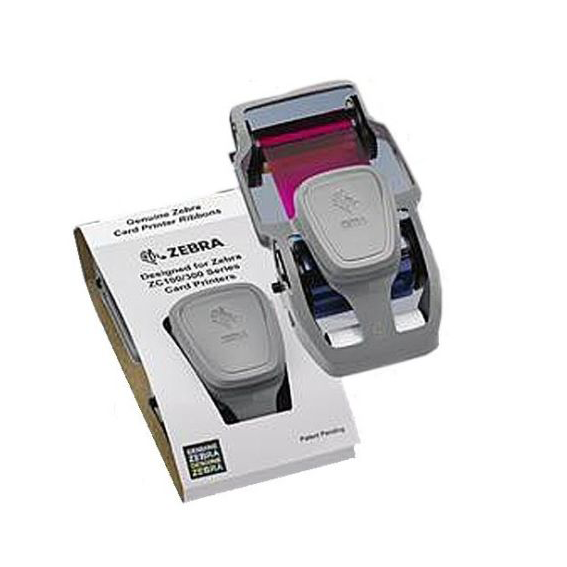
PVC card printers use a variety of technologies to transfer images and data onto plastic cards. Direct-to-card (DTC) printing, also known as dye-sublimation, involves directly applying the print YMCKO color ribbon onto the card’s surface. This method is cost-effective and ideal for vibrant colors and sharp images, making it suitable for staff card, student card, membership cards, and loyalty programs. However, DTC printing can be susceptible to minor imperfections on the card surface, which might impact print quality.
Retransfer printing, also known as reverse transfer, is a more advanced method where the image is first printed onto a clear film, which is then heat-bonded onto the card. This provides superior print quality, even on uneven card surfaces, and allows for printing over the edge of the card, creating a seamless look. Retransfer printers are generally more expensive but offer greater durability and are preferred for applications where high-quality, durable cards are essential.
Another key aspect is the encoding capabilities of the printer. Many PVC card printers can encode magnetic stripes, smart chips, and RFID tags, enabling the creation of sophisticated access cards, payment cards, and data storage cards. The encoding technology used depends on the specific application and security requirements. Understanding the different encoding options is vital for choosing a printer that meets your operational needs.
Furthermore, the resolution of the printer, measured in dots per inch (DPI), significantly impacts the print quality. Higher DPI values result in sharper images and finer details. For most applications, a resolution of 300 DPI is sufficient. The print speed, measured in cards per hour (CPH), is another important consideration, particularly for high-volume printing environments. Balancing print quality and speed is essential to optimize productivity and efficiency.
Benefits of In-House Plastic Card Printing
Instant Issuance
Investing in an in-house PVC card printer provides unparalleled control over the entire card production process. This eliminates the reliance on external vendors, reducing lead times and allowing for instant card issuance. The ability to print cards on demand is especially beneficial for organizations that require frequent card replacements or personalized cards for specific events or individuals. This agility provides a competitive edge and enhances responsiveness to changing business needs.
Cost Saving
Cost savings can be significant in the long run. While the initial investment in a PVC card printer and supplies may seem substantial, it eliminates recurring outsourcing costs, particularly for high-volume printing or frequent card design changes. The internal control over the printing process also minimizes errors and waste, further contributing to cost efficiency. A thorough cost-benefit analysis is crucial to determine the long-term financial viability of in-house card printing.
Secure Content
Enhanced security is another major advantage. By keeping the card printing process in-house, organizations can maintain stricter control over card security features, such as holograms and UV printing. This reduces the risk of counterfeiting and unauthorized card duplication. Internal control also simplifies compliance with data privacy regulations, as sensitive cardholder information remains within the organization’s secure environment.
Flexible Content Management
Furthermore, in-house printing enables customization and personalization on a level that is often difficult to achieve with external vendors. Organizations can easily incorporate unique branding elements, personalized messages, or variable data onto each card, enhancing the perceived value and strengthening brand loyalty. This flexibility allows for the creation of highly tailored cards that meet the specific needs of different customer segments or internal departments.